
April is Occupational Therapy Month, which highlights how occupational therapy improves the quality of life of participants and increases their independence. We’ve heard from several occupational therapists that puzzles are an extremely useful tool in their practice.
Jigsaw puzzles are like a brain workout. Research shows that working on a puzzle can help with memory and concentration, improve dexterity and fine motor skills, and build visual-motor integration. Puzzles also teach problem-solving and offer emotional and mental health benefits.
Curious about how jigsaw puzzles and occupational therapy work together? Keep reading to learn why occupational therapists always have a puzzle nearby.

Occupational therapy is a type of healthcare that helps people of all ages develop, regain, or maintain daily skills, such as dressing, cooking, or working.
Who occupational therapy is for:
While physical therapists often focus on strength and movement, occupational therapists focus on practical tasks so that patients can thrive in their day-to-day lives. Sessions include improving and developing motor skills, coordination, memory, problem-solving, and emotional regulation.
There are several benefits of using puzzles in occupational therapy. Not only is it fun and relaxing for patients to work on a puzzle, but it also helps them progress toward their goals.
Picking up, rotating, and placing puzzle pieces requires precision. Working on puzzles consistently in occupational therapy can help patients improve their grip strength, finger dexterity, and hand-eye coordination.
These skills help with several everyday tasks, including using utensils, writing, or buttoning a shirt.
Puzzles force the brain to search for patterns, recall shapes, and pay attention to colors. These skills can improve memory, attention to detail, and problem-solving. For patients who could benefit from cognitive rehabilitation, jigsaw puzzles are an excellent tool. Research shows that puzzles also increase cognitive learning for children.
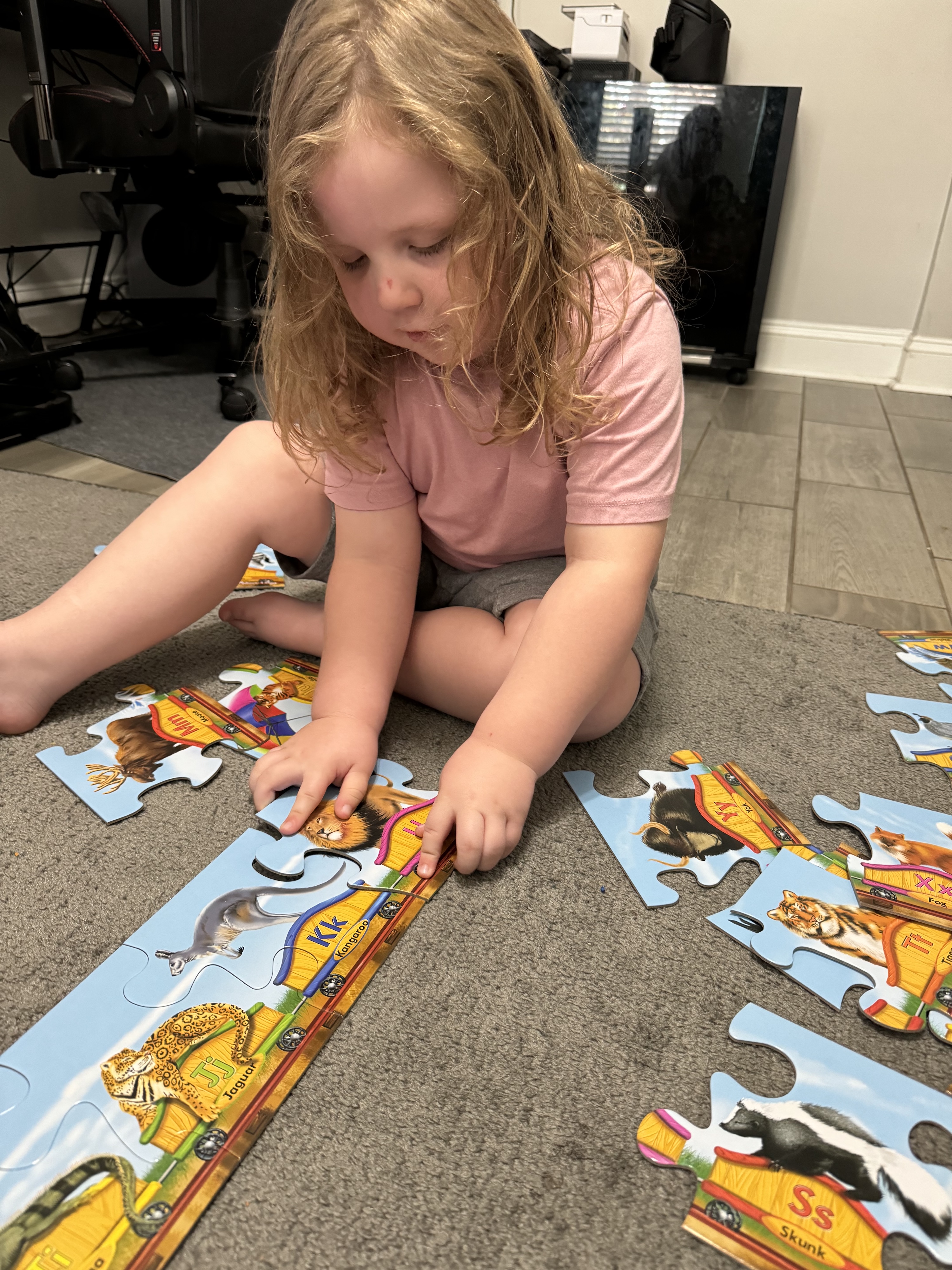
Tasks like reading, driving, and pouring a glass of water require visual-motor integration, which is when you coordinate how your body moves and what you see.
Since precise piece placement is key to completing a puzzle, physically placing pieces into a jigsaw puzzle can boost visual-motor integration over time.
There’s an emotional side to occupational therapy, and jigsaw puzzles support this aspect of it as well. Along with the physical benefits, the structure and challenge of finishing a puzzle can help patients feel more confident, practice patience, and feel like they’re progressing toward a goal.
The sense of accomplishment that patients gain when completing a puzzle can help motivate them in all of their occupational therapy goals.
The beauty of occupational therapy is that it works for all age groups. For example, young children who need help with developmental skills and older adults who want to maintain dexterity can both benefit from it.
Puzzles also offer something for all ages and are an extremely flexible tool, which is why occupational therapists love using them so much. There are several ways to make puzzles more accessible to meet the needs of the patient. Plus, patients can choose jigsaw puzzles that excite them and enjoy their time in therapy.
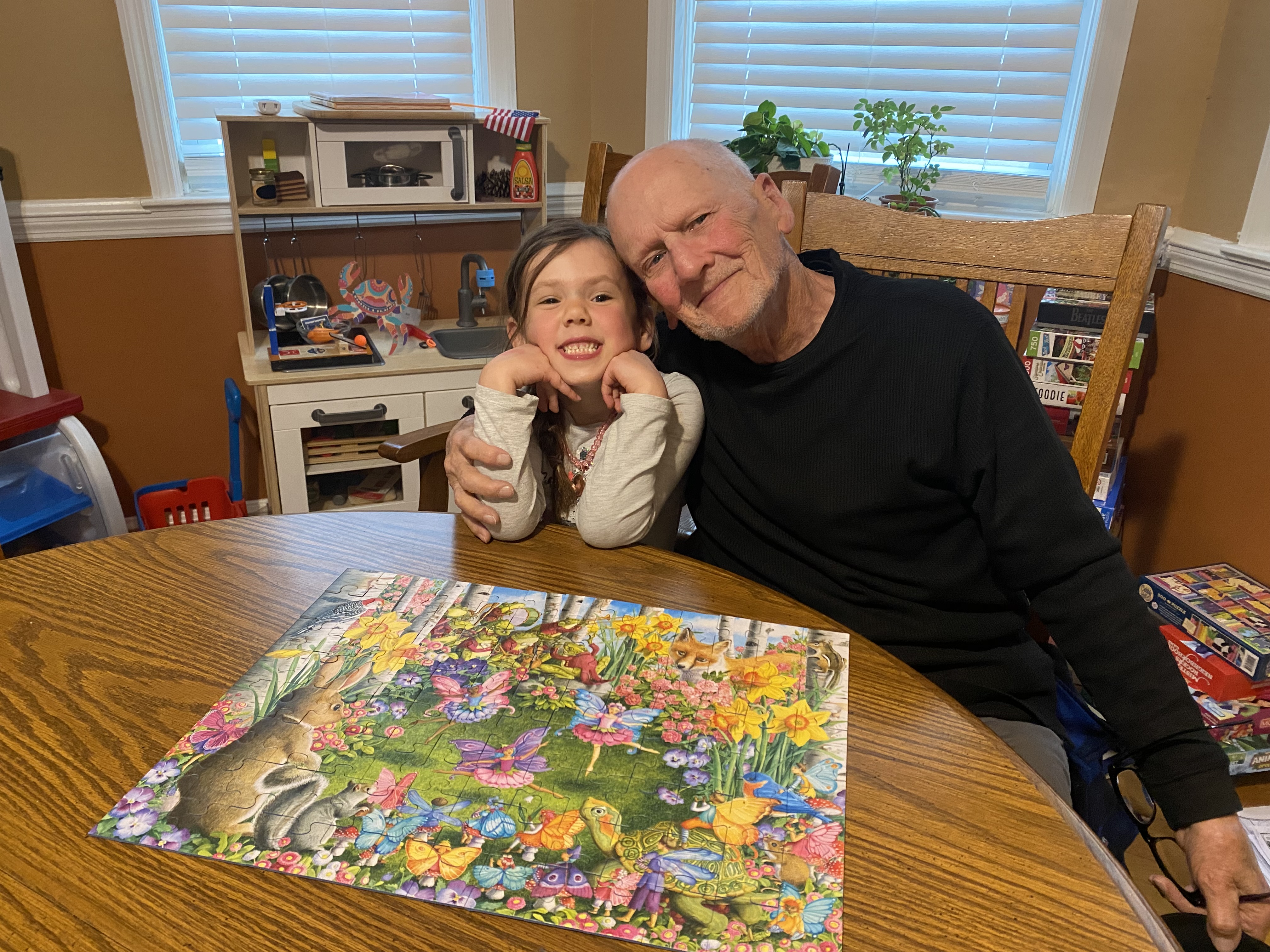
One way to make jigsaw puzzles more suitable for the occupational therapy setting is to choose puzzles with large piece sizes. Larger pieces are easier to see, pick up, and place into the puzzle. This is helpful for patients with reduced vision, as well as those working to improve dexterity and fine motor skills.
When it comes to jigsaw puzzles, accessibility can help meet patients where they are in their therapy process. Practitioners can choose the piece size, piece count, image, and colors that match the needs of their patients.
Puzzles in an occupational therapy setting are extremely beneficial, but you can also gain the same benefits at home. To use jigsaw puzzles to continue improving the skills worked on in occupational therapy, follow these steps:
For more tips, speak with an occupational therapist.
At Completing the Puzzle, offering puzzles that are accessible and beneficial for everyone is part of our ethos.
Our catalog includes several jigsaw puzzles with large piece sizes that are easier to grip, and you can filter our puzzles by piece size on our website to easily add them to your wishlist. Additionally, you can set your preferences to only receive large-sized puzzles.

Puzzles are a fun pastime that offer extra benefits, such as improving fine motor skills, memory, and confidence. When used in occupational therapy, they can help patients regain, develop, or maintain skills that help them thrive in their everyday lives.
Celebrate Occupational Therapy Month with your own Completing the Puzzle Membership, the first subscription-style jigsaw puzzle rental service. Customize your puzzle wishlist to meet your needs and receive a new puzzle on your doorstep each month. Join Completing the Puzzle today!